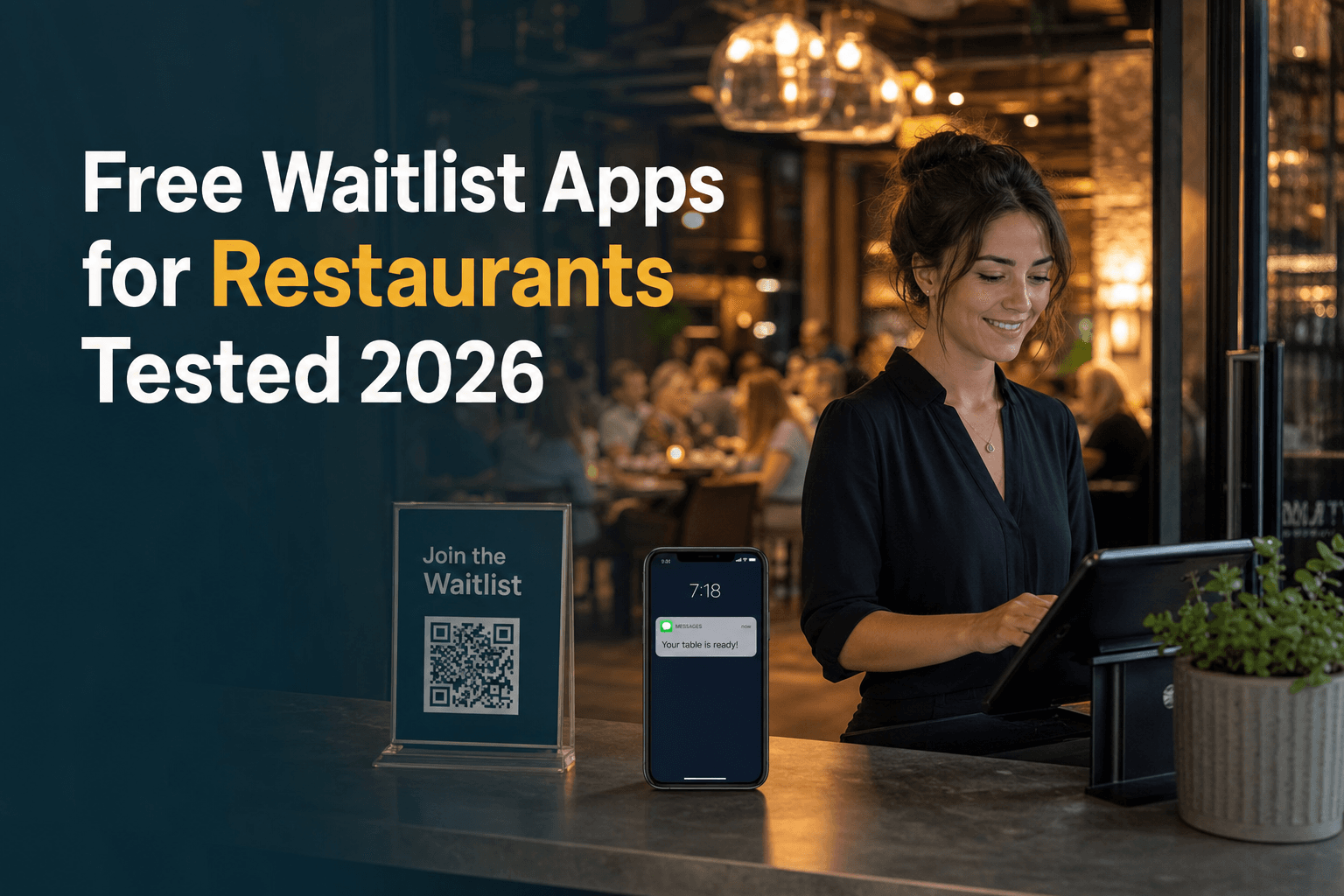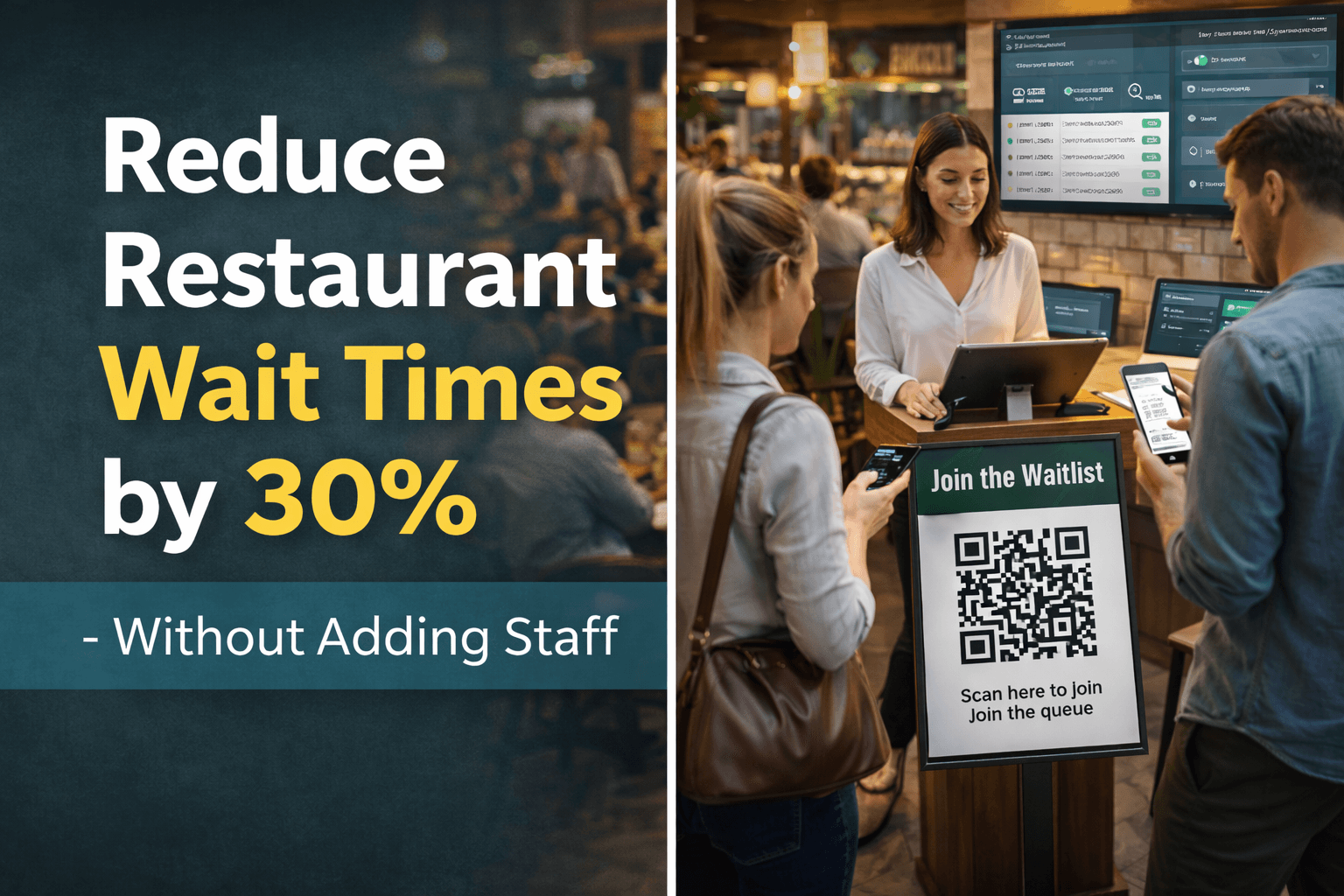
Food truck queue management solves the most visible problem in mobile food service: the long, snaking line that simultaneously drives away new customers and frustrates the ones already waiting. The fix is straightforward — a QR code-based virtual queue that lets customers order, wait elsewhere, and come back when their food is ready. It removes the "line too long, I'll eat somewhere else" effect.
Food trucks and pop-up kitchens operate under constraints that permanent restaurants don't face. No fixed location means no established customer habits. Variable crowds — from a quiet Tuesday lunch to a packed Saturday market — make staffing and prep unpredictable. And limited space means even a 10-person queue can block foot traffic and create problems with neighbouring vendors or venue management.
According to IBISWorld, the US food truck industry is worth about $2.9 billion in 2026.
This guide covers practical, low-cost queue management strategies designed specifically for the unique constraints of food trucks and pop-up kitchens.
Why Food Truck Queues Are Different
No Fixed Location
A restaurant has a door, signage, and a host stand. Customers know exactly where to queue. A food truck might be at a different spot every day — a different park, a different market, a different corporate campus. Your queue system needs to work instantly at any location without physical infrastructure.
Extreme Demand Variability
A food truck at a weekday office park might serve 50 people over 2 hours. The same truck at a weekend festival might serve 500. The queue system needs to handle both scenarios without requiring different setup or equipment.
Limited Service Window
Most food trucks operate in a 2-4 hour window. Every minute of queue inefficiency is a lost sale. If a customer spends 15 minutes in line, that's 15 minutes the truck could have been serving additional customers. Speed matters more here than in almost any other food service format.
Space Constraints
Food trucks operate from a serving window. There's no indoor waiting area, no lobby, no covered space. Physical queues mean people standing outside in sun, rain, or wind — conditions that dramatically increase walk-away rates.
The QR Code Solution for Food Trucks
Here's how a QR code queue system works for a food truck:
- Display QR code. A weatherproof QR code stand sits next to your menu board. Customers scan it from their phone.
- Customer joins queue. They enter their name and party size. Optionally, they can add order notes or select from a preset menu.
- Wait anywhere. The customer sees their position and estimated wait time on their phone. They can browse other market stalls, sit at a nearby table, or keep walking around the festival.
- SMS notification. When the food truck is ready to take their order (or their food is ready), they receive a text: "Your turn at [Truck Name]! Head to the window."
- Quick pickup. The customer arrives, orders (or collects), and goes — no standing in line.
Pro Tip — Dual QR Codes: Print two QR codes — one on the truck itself and one on a freestanding A-frame sign placed 3-5 meters away. The distant sign catches people approaching from afar who might skip your truck if they see a physical queue at the window.
Strategies for Different Scenarios
Weekday Lunch Service
Office workers have tight lunch breaks. They'll skip your truck entirely if the line looks like it'll take more than 10 minutes. A virtual queue captures these time-sensitive customers because they can join the queue, return to their desk, and come down when notified.
Consider offering a "pre-order" option where regular customers can join the queue and place their order via the digital form before arriving. When they show up, their food is ready.
Festival and Market Service
Festivals bring volume but also competition — attendees have 20+ food options within walking distance. The truck with the shortest perceived wait wins. A virtual queue means your truck never has a visible line, which paradoxically attracts more customers because there's no visual deterrent.
Festival tip: coordinate with the event organiser. If the event has its own queue system, integrate with it. If not, your QR code gives you a competitive advantage over trucks relying on physical lines.
Catering and Corporate Events
When serving a corporate event or private function, the virtual queue prevents the awkward mass rush when service opens. Share the QR code with the event organiser in advance so guests can pre-join the queue. Service is orderly from the first minute.
Setup and Equipment
One of the biggest advantages of QR code queue management for food trucks is the minimal equipment requirement:
- Printed QR code stand — Weatherproof, reusable, costs under $20 to produce
- Smartphone or tablet — To manage the queue from your dashboard
- Mobile data connection — Your phone's cellular data is sufficient
That's it. No hardware installation, no special equipment, no Wi-Fi dependency. Set up takes under 5 minutes and travels with your truck.
Measuring Impact
Track these metrics to quantify the value of your queue system:
- Orders per hour — The primary metric. Compare before and after implementing virtual queuing.
- Average wait time — Dashboard analytics show exactly how long customers wait.
- No-show rate — What percentage of queue joiners don't return when notified.
- Peak hour throughput — Are you serving more customers during your busiest hour?
Frequently Asked Questions
Do I need Wi-Fi at my food truck location?
No. Both you and your customers can use cellular data. The queue system works on any internet connection — 4G/5G is more than sufficient.
What if I change locations daily?
The QR code links to your queue, not a physical location. The same printed QR code works whether you're at a park, market, or office campus. No reconfiguration needed.
How do I handle the transition from physical to virtual queue?
Start by offering both options. Keep a small physical queue for customers who prefer it, while promoting the QR code for those who want to skip the line.
Is it worth it for a single food truck?
Yes — especially at the free tier. ScanQueue's free plan includes up to 100 queue joins a month with 5 SMS notifications per month. For busier trucks, paid plans start at $49/month, and Growth at $99/month includes 500 SMS credits.
Queue Management That Moves With You
ScanQueue gives food trucks instant virtual queues anywhere — scan a QR code, join the line, get an SMS when food is ready. No hardware, no apps, no hassle.
Start Free Today →Last updated: January 2026
Stop losing walk-ins to wait times
Set up ScanQueue in 5 minutes. Customers scan a QR code, get SMS alerts when it's their turn, and wait anywhere.
- Free plan — no credit card
- No app download for customers
- QR code, SMS, and WhatsApp notifications
ScanQueue Team
Queue Management Experts
Helping businesses reduce wait times and improve customer experience with smart queue management solutions.